
Why tracking your health matters when you have a chronic lllness
Living with a chronic illness means your body doesn't follow predictable rules. One day you're functioning. The next, a flare wipes you out. And most days, you're expected to explain why — to doctors, to work, to family, and often to yourself. Wellness tracking isn't about obsessing over your health. It's about regaining clarity, control, and self-trust in a body that changes day to day.




Chronic illness changes daily, your care needs to reflect that
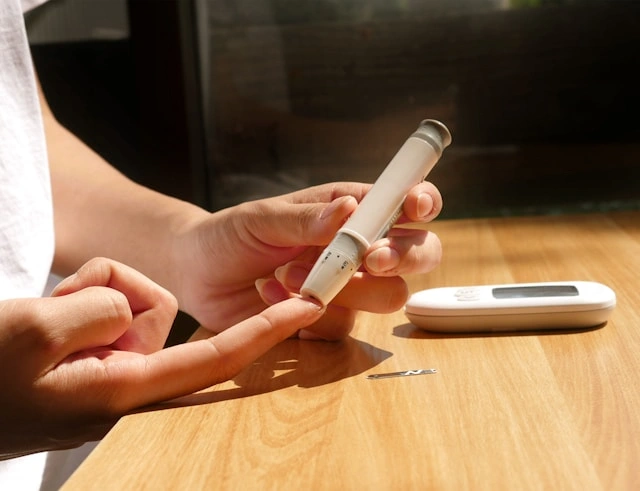
Chronic illness isn't static; symptoms fluctuate, energy rises and falls, and mental health shifts alongside physical pain, often leaving everything feeling unpredictable. Without tracking, these changes can feel random or impossible to explain, especially when you're already exhausted. Tracking turns scattered experiences into clear context, showing that your symptoms are real, dynamic, and follow patterns that deserve to be seen and taken seriously.
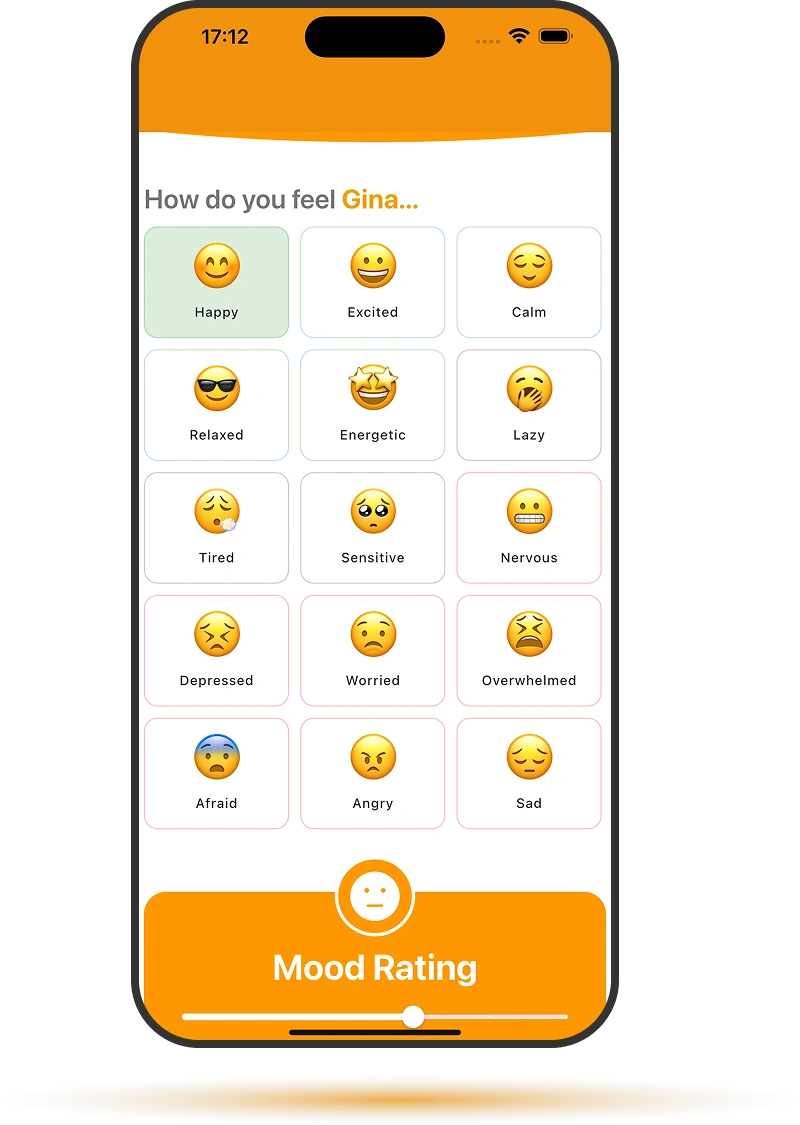
How wellness tracking helps you understand your body
When you track consistently, patterns begin to surface. Over time, you start to notice relationships between different parts of your health that are easy to miss day-to-day. Tracking can reveal:
Which symptoms tend to show up together
What triggers flare-ups or worsens pain
When medications help, and when they don't
How mood and physical symptoms influence each other
Which symptoms tend to show up together

Tracking isn't about perfection, it's about awareness
You don't need to track everything perfectly—consistency matters more than flawless data. Even brief check-ins help you notice early warning signs and validate your experience. Tracking gives you concrete information to advocate for yourself, even on exhausting days. Over time, these small entries reveal patterns that help you manage flares more effectively.
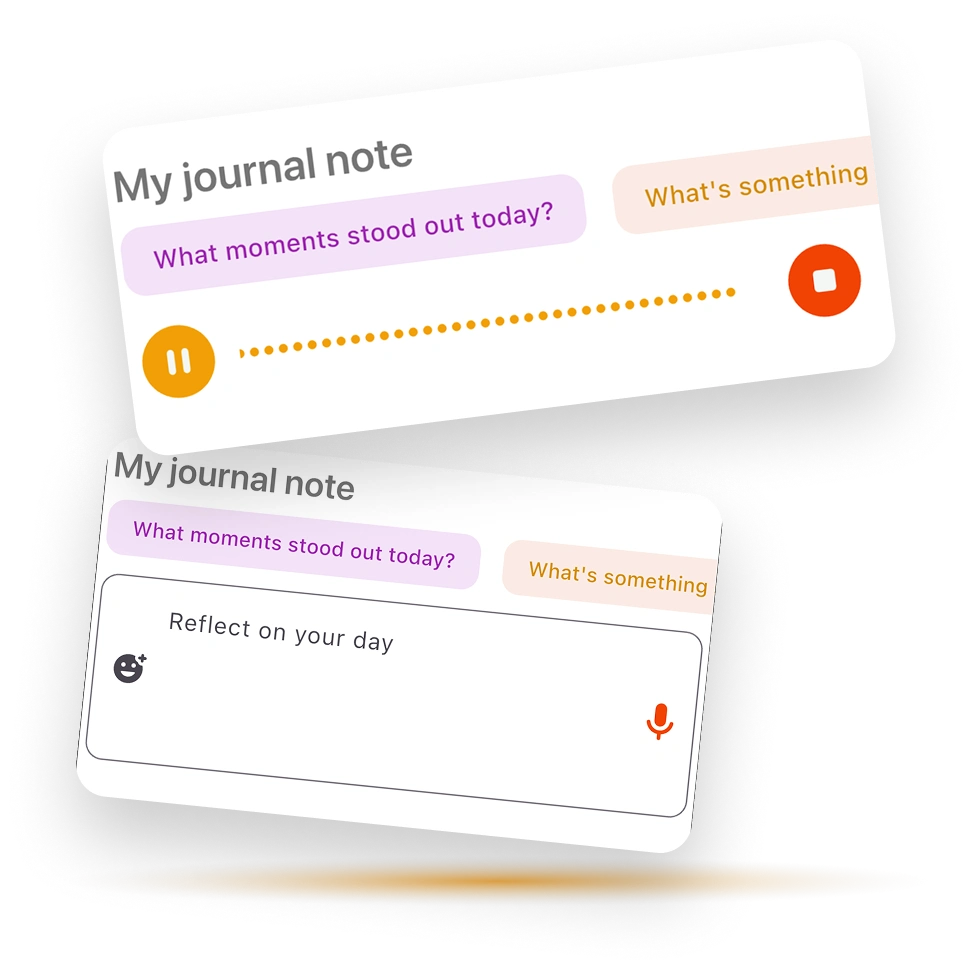
Why journaling and mood tracking matter for mental health
Chronic illness affects more than physical symptoms—it impacts mood, motivation, anxiety, depression, and burnout. Ignoring mental health gives an incomplete picture of your wellbeing. Tracking mood alongside symptoms shows how emotional stress interacts with pain and fatigue. Over time, it reveals patterns that make mental health an essential part of chronic illness care.
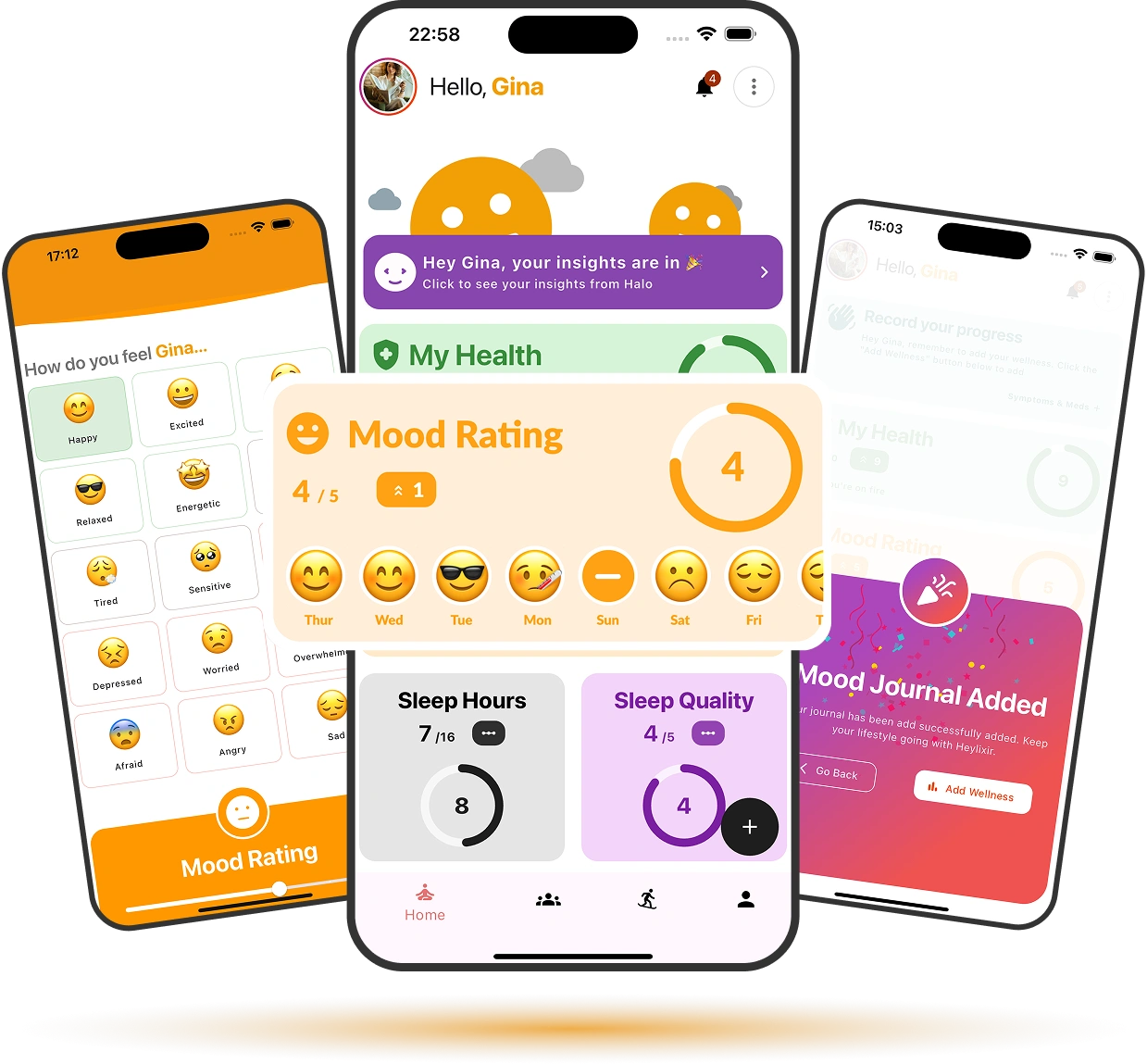
Tracking helps you catch flares earlier, not just react to them
Tracking your symptoms over time helps you notice flares before they fully hit, rather than just reacting after the fact. By observing subtle changes—like small energy dips, sleep disruptions, mild symptom increases, mood shifts, or creeping brain fog—you can rest sooner, adjust expectations, reduce flare severity, and avoid pushing past your limits.
Mild symptom increases
Mood shifts
Possibility of flare ups
Sleep disruptions
Your memory isn't the problem, chronic illness is exhausting
Your memory isn't the problem — chronic illness is exhausting. Brain fog, fatigue, pain, and emotional load make it unrealistic to recall weeks or months of symptoms accurately. Tracking removes the pressure to hold everything in your head and supports you whether you're making medication choices, preparing for a doctor's appointment, or just planning your week, spoons or energy. It helps:
Remember when flare ups or symptoms started
Explaining patterns effectively
Recalling medication effects
Preparing for doctor and specialist visits
Planning your day, spoons and energy
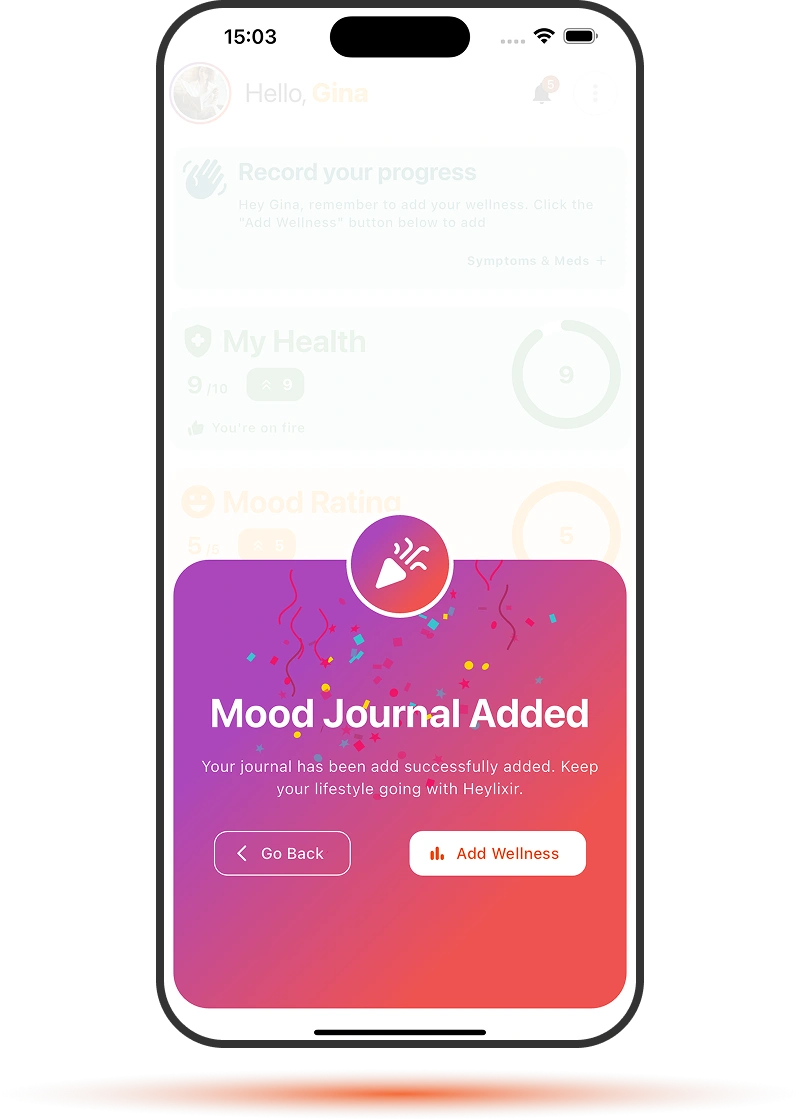
Wellness tracking is an act of self-care, not just control
Tracking your health isn't about fixing your body or forcing improvement. It's about understanding your limits, respecting your needs, and supporting yourself without judgment. Choosing to track says, “I'm paying attention to myself—even when life is overwhelming.” It's an act of self-care, compassion, and self-trust in a body that deserves patience.
Ready to start tracking your chronic illness?
Tracking your chronic illness doesn't have to feel overwhelming. By starting even small, consistent check-ins, you gain clarity over your symptoms, mood, energy, and flare patterns. Each entry is an act of self care helping you make informed decisions, and take control of your daily life—turning uncertainty into actionable insight.