What is spoon theory? A plain explanation, and how to track your spoons
Spoon theory is a way of explaining life with chronic illness: each spoon is a unit of energy, and you start every day with a limited number. This guide explains it simply, with examples, and shows how Heylixir helps you track your spoons.
Spoon theory works best alongside voice symptom tracking, where you say how you feel instead of typing. A simple routine helps too: see how to track symptoms and medications. AI wellness insights then point out patterns over time, and a doctor summary makes appointments easier. For the bigger picture, see our pain & fatigue tracking guide.
Spoon theory, in plain English
Spoon theory was created by Christine Miserandino to explain what it is like to live with lupus. She handed a friend a handful of spoons and asked her to describe her day, taking a spoon away for every task. Healthy people often have energy to spare. People with chronic illness have a limited number of spoons each day, and getting dressed, showering, cooking or answering messages can all cost one.
The idea has stuck because it makes something invisible easy to explain. Many people with chronic illness call themselves spoonies.
Each spoon is a unit of energy
You start each day with a limited number
It helps you explain your limits to others
Spoons in everyday life
A shower might cost two spoons on a bad day. A work call might cost three. Cooking dinner, a short walk, a conversation with someone who drains you and a trip to the shop all have a price too. When you run out, you rest or you borrow from tomorrow, and that is what often leads to a crash.
Your number of spoons also changes. Sleep, pain, flares, stress, weather and medication timing can all make today different from yesterday.
Plan around your spoons, not against them
Sleep and rest give spoons back
Flares and pain can take them away

How to track your spoons
Spoons are a metaphor, so there is no official way to count them. A simple method is to rate your energy each morning, note what you did and how you felt afterwards, and look back after a few weeks. Over time you learn what costs you most.
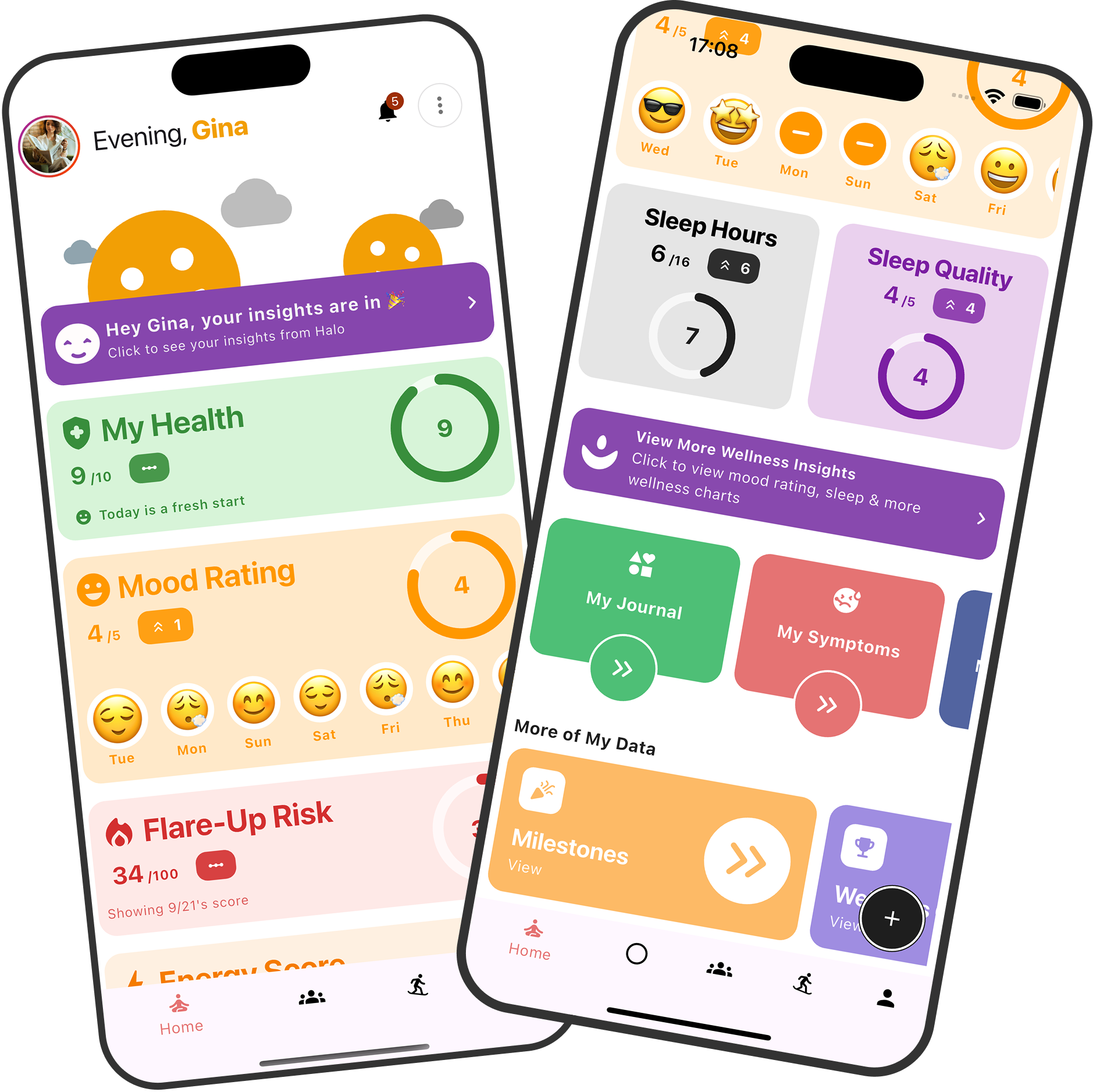
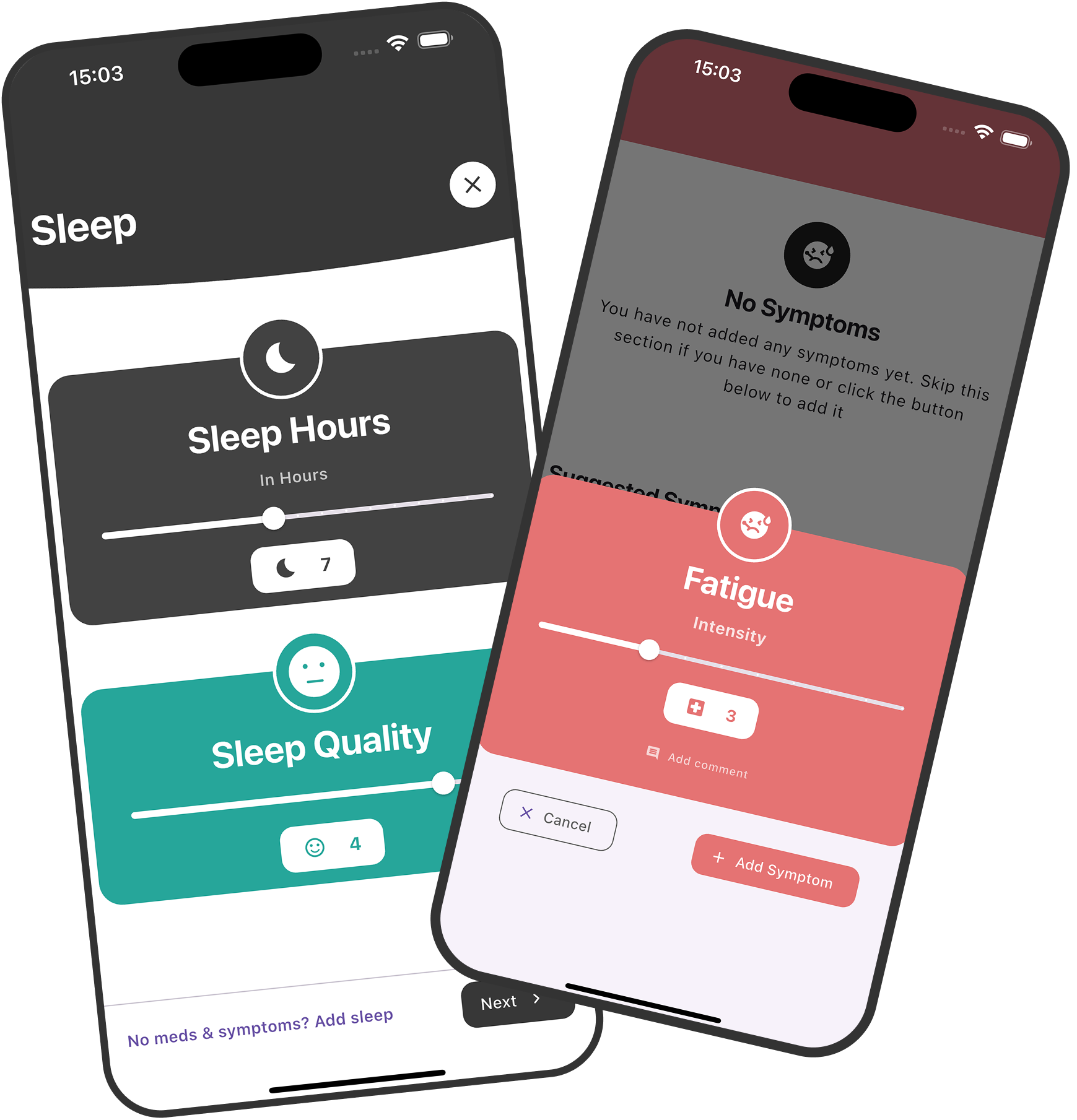
Heylixir keeps your energy, symptoms, mood, meds and journal in one place, so you can see what tends to spend your spoons and what gives them back. You can log by voice when you have none to spare, and Halo AI points out patterns in plain language. Try our [spoon planner](/spoon-theory-planner/) to plan a day.
Sources and further reading
The general health information on this page is based on the sources below. It is not medical advice, and Heylixir cannot diagnose or treat any condition. Ask a healthcare professional about your own situation.
Sources checked November 2026.

Log your spoons with your voice
On low-spoon days, even a quick form costs too much. Say how your energy is in Heylixir and your voice note does the logging.
“Woke up with maybe four spoons, sore all over, slept badly, going to rest after lunch.”
Mood: tired, careful
Symptoms: low energy, body aches
Medication: taken, noted with the time
Journal: your words, saved as today's entry
See how voice tracking works →
Ready to know your spoons?
Try Heylixir and start planning your days around the energy you actually have.