Post-exertional malaise: signs and how to track PEM
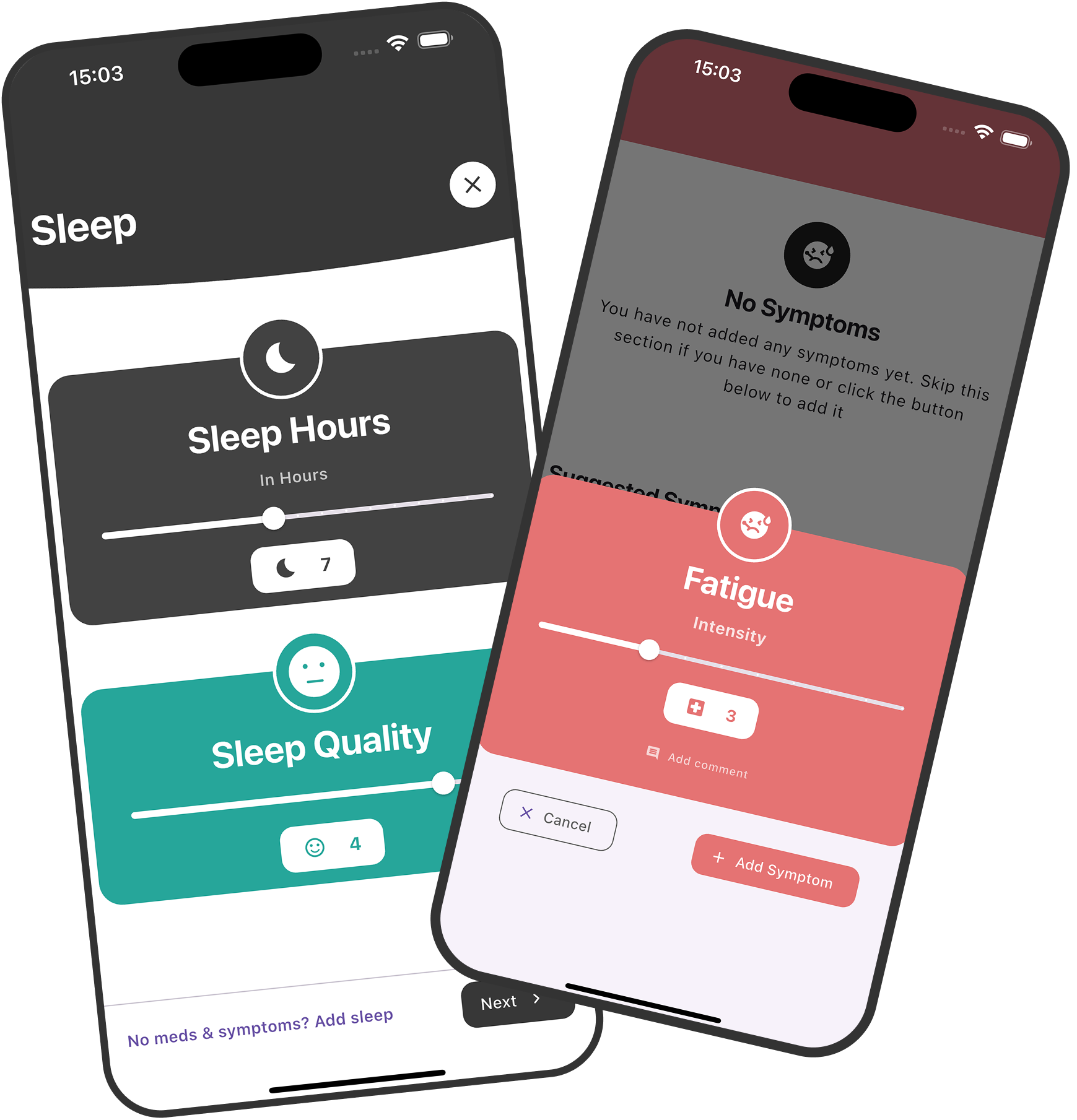
Post-exertional malaise (PEM) is a worsening of symptoms after physical, mental or emotional effort, often showing up hours or days later. It is a hallmark of ME/CFS and is reported by many people with Long COVID. Heylixir is a symptom tracker app that helps you link what you did to how you feel afterwards.
Tracking post-exertional malaise works best alongside voice symptom tracking, where you say how you feel instead of typing. A simple routine helps too: see how to track symptoms and medications. AI wellness insights then point out patterns over time, and a doctor summary makes appointments easier. For the bigger picture, see our pain & fatigue tracking guide.
What PEM is, and why the delay matters
People with PEM often describe a crash after doing too much: a big drop in energy, a flare of pain, brain fog, flu-like feelings or trouble sleeping that is out of proportion to what they did. The delay, which can be hours or even a couple of days, makes it hard to connect the crash to its cause.
PEM is most often discussed with ME/CFS and Long COVID. Only a clinician can say whether what you experience is PEM, so talk to your care team.
A crash after physical, mental or emotional effort
Often delayed by hours or days
Can bring fatigue, brain fog, pain and unrefreshing sleep
Link what you did to how you feel later
Because the payback is delayed, it helps to log what you did, such as a long outing, a hard conversation or a big task, along with your energy and symptoms that day and the next. Over time you can look for the link.
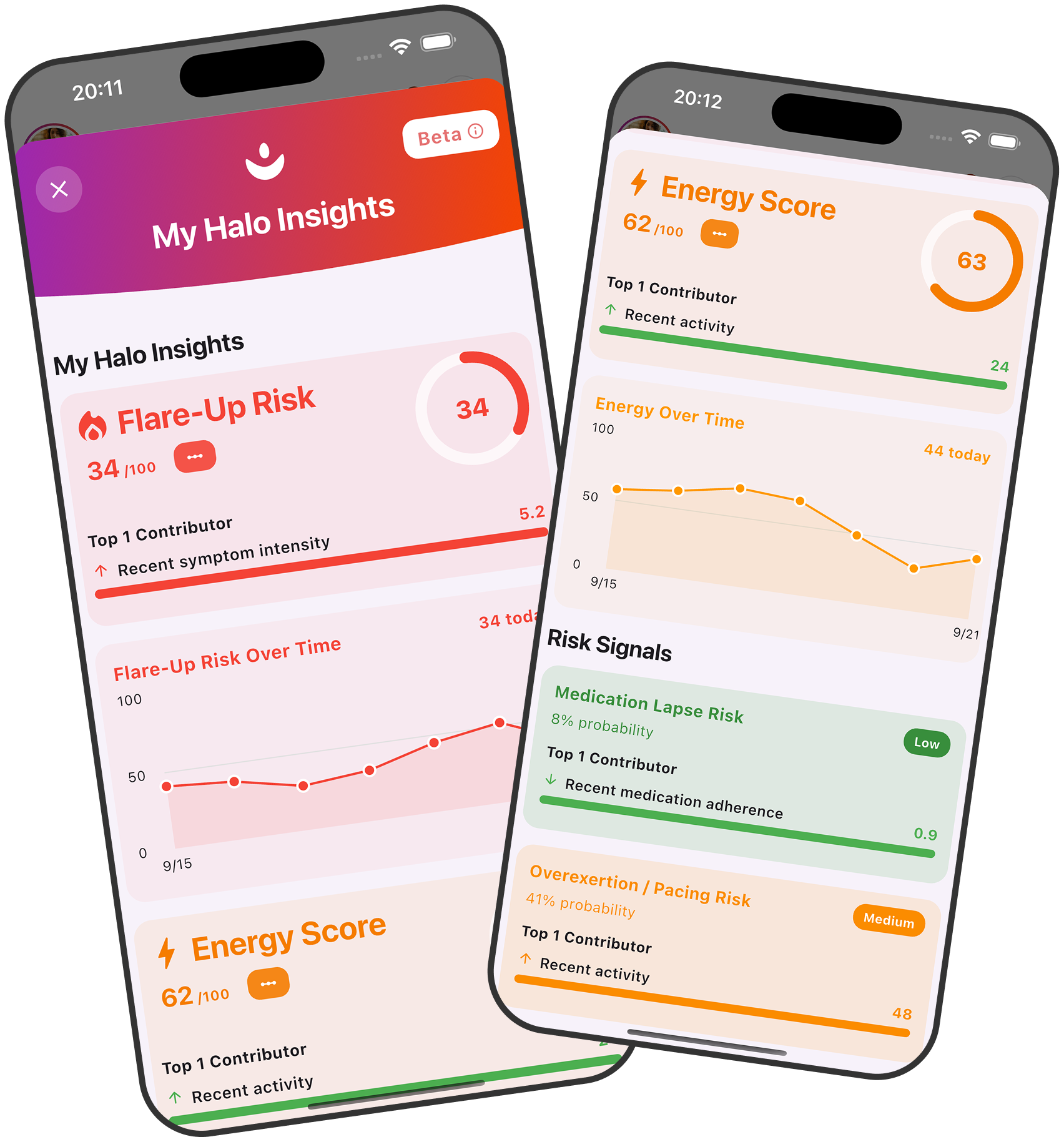
Halo AI points out patterns in your own logs in plain language. They are patterns to explore with your care team, not a diagnosis.
Note what you did each day
Log symptoms the next day too
Look for delayed payback in your logs
Pace with what your logs show
Once you can see your own pattern, you can plan around it: shorter outings, rests in between and spoon budgeting. See our guides to [pacing](/what-is-pacing-chronic-illness/) and the [spoon theory planner](/spoon-theory-planner/).
Heylixir does not measure heart rate or activity itself. You log what you did, and you can note any readings from your own device. For condition details, see [ME/CFS](/me-cfs-symptom-tracker-app/) and [Long COVID](/long-covid-tracking/).
Sources and further reading
The general health information on this page is based on the sources below. It is not medical advice, and Heylixir cannot diagnose or treat any condition. Ask a healthcare professional about your own situation.
Sources checked November 2026.

Log a crash by voice
Say what you did and how you feel in Heylixir and your voice note logs your energy, symptoms and activity.
“Long outing yesterday, today I am wiped out, aching, foggy, resting and took my meds.”
Mood: low, drained
Symptoms: fatigue, brain fog, aching
Medication: taken, noted with the time
Journal: your words, saved as today's entry
See how voice tracking works →
Ready to see what comes before your crashes?
Try Heylixir and start logging activity, energy and symptoms in seconds.