Signs of a chronic illness flare-up: how to know you are having one
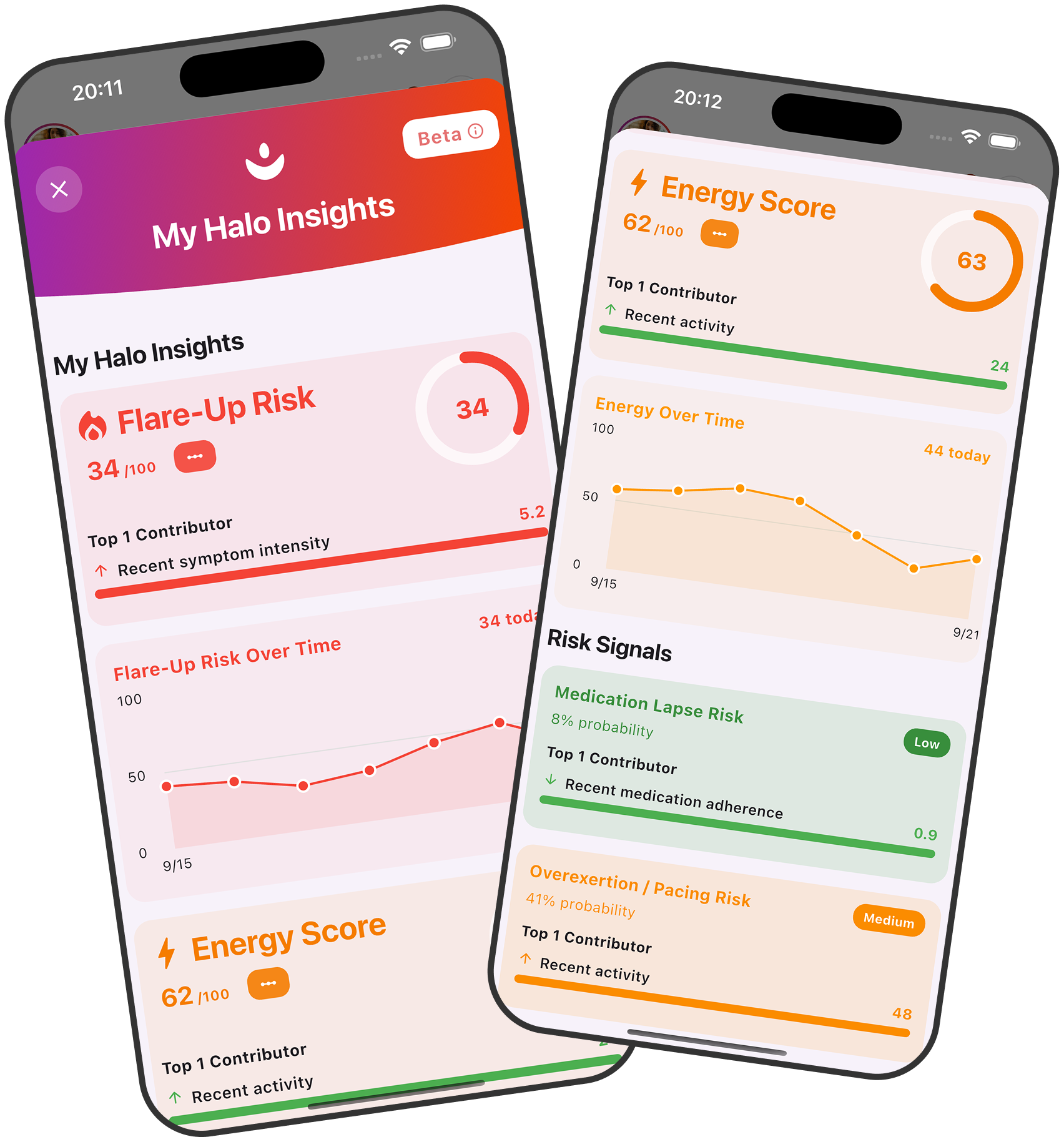
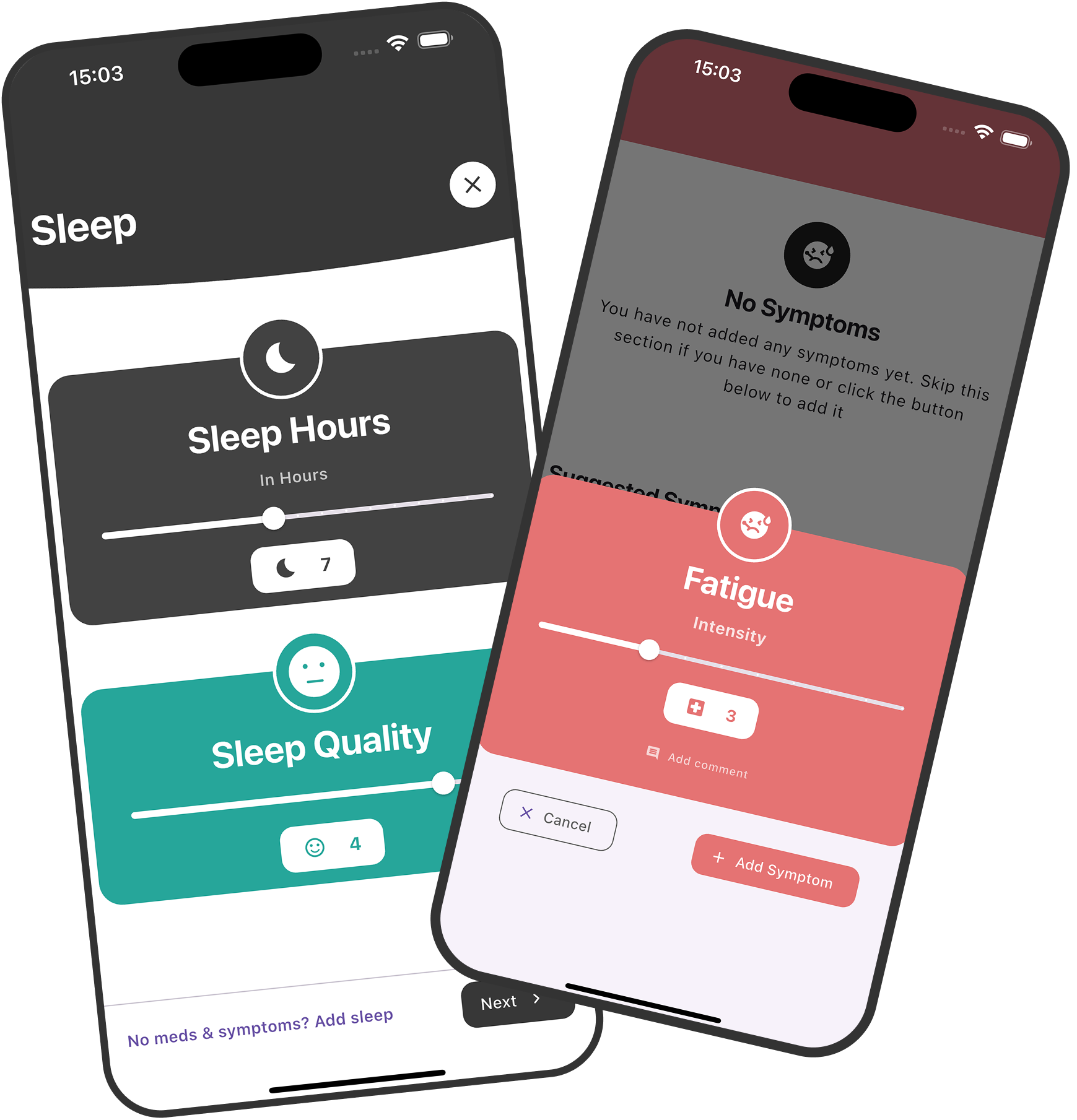
A flare-up is a period when your symptoms get noticeably worse than your usual. The signs vary by condition, but people commonly notice more pain, deeper fatigue, brain fog, disturbed sleep and low mood. Heylixir is a symptom tracker app that helps you spot your own early signs by logging them next to your sleep, meds and mood.
Spotting the signs of a flare-up works best alongside voice symptom tracking, where you say how you feel instead of typing. A simple routine helps too: see how to track symptoms and medications. AI wellness insights then point out patterns over time, and a doctor summary makes appointments easier. For the bigger picture, see our chronic illness flare management guide.
What a flare-up is, and how it differs from a bad day
A flare-up (also called a flare) is a stretch of time when your symptoms are worse than your normal baseline. Most people with a chronic illness have ups and downs, so one rough day is not always a flare. A flare usually lasts longer, hits harder or brings symptoms you do not normally have.
There is no single rule that separates the two, and it depends on your condition. Your care team can tell you what counts as a flare for you, and a record of how you normally feel makes the difference much easier to see.
Lasts longer than a usual rough day
More intense than your usual baseline
Sometimes brings new or returning symptoms
Common signs people report
Signs differ between conditions and between people, and you may notice only a few of these. Common ones include pain, aching or stiffness that is worse than usual, fatigue that rest does not fix, brain fog, trouble sleeping or sleeping far more than usual, and mood changes such as irritability or feeling low.
Others notice a return of symptoms that had settled, such as rashes, digestive upset, dizziness, headaches or swelling, needing more of your usual medication, or cancelling plans because everything takes more effort. None of these on its own proves a flare, so treat them as things worth noting.
Pain, aching or stiffness worse than usual
Fatigue that rest does not fix
Brain fog and trouble concentrating
Sleep much worse, or much more than usual
Mood dips, irritability or anxiety
Early warning signs are easy to miss
Many people have their own early signals, like feeling unusually tired, a sore throat, a certain kind of headache or a short temper, that show up a day or two before a flare. They are easy to miss when you are in the middle of a busy week, and hard to remember afterwards.
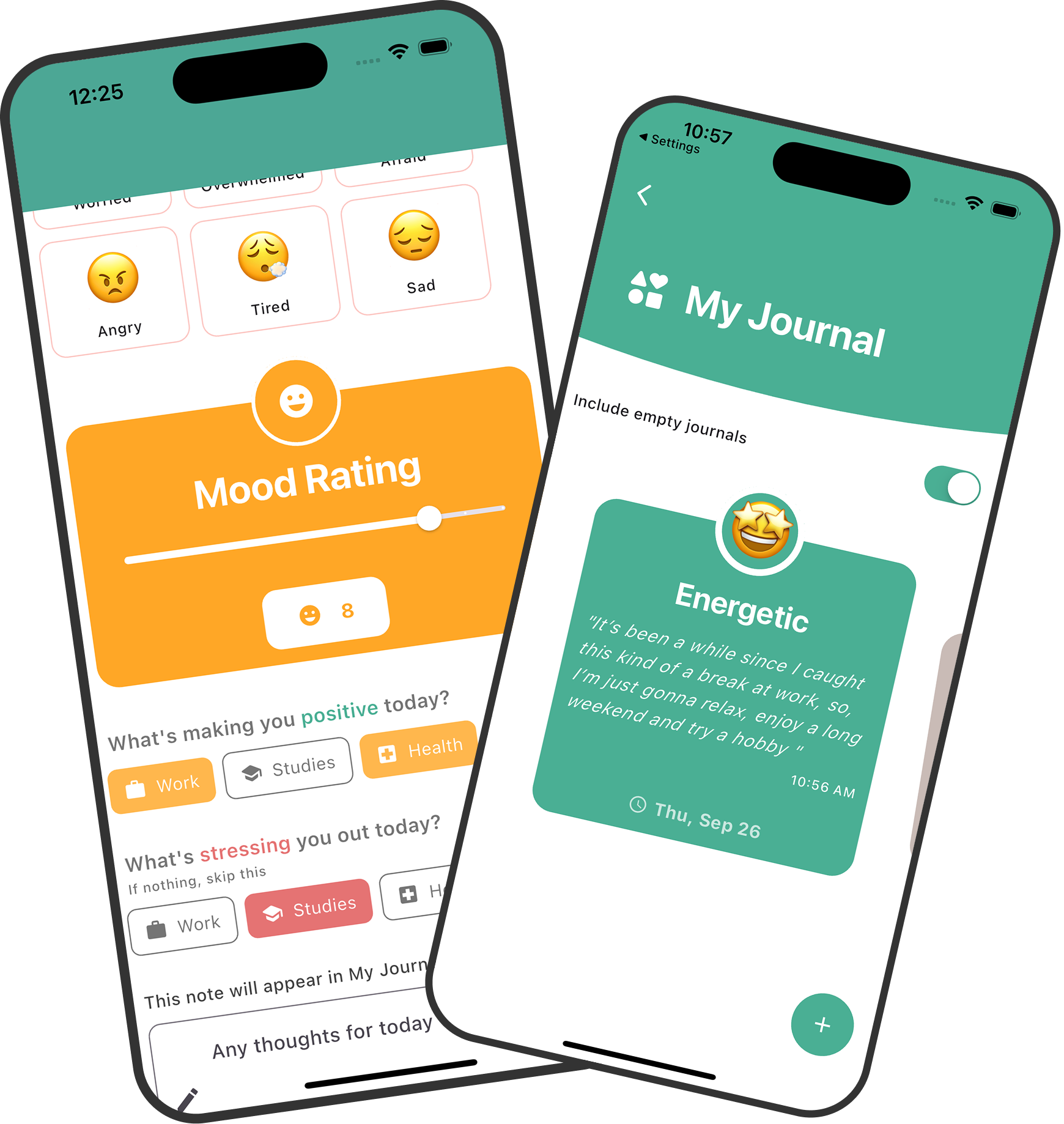
When you log your symptoms, sleep, mood, meds and journal in Heylixir, you can look back at the days before your last few flares and see whether the same signals appear. Halo AI points out patterns in your own logs in plain language. They are patterns, not a diagnosis or a prediction.
Look back at the days before a flare
Note what you did, ate and felt
Log by voice when you are too tired to type
Know when to get medical help
Heylixir is not a medical service and cannot tell you what is wrong. If you have sudden or severe symptoms, such as chest pain, trouble breathing, a high fever, new weakness or numbness, or if you feel unsafe, contact your local emergency services right away.
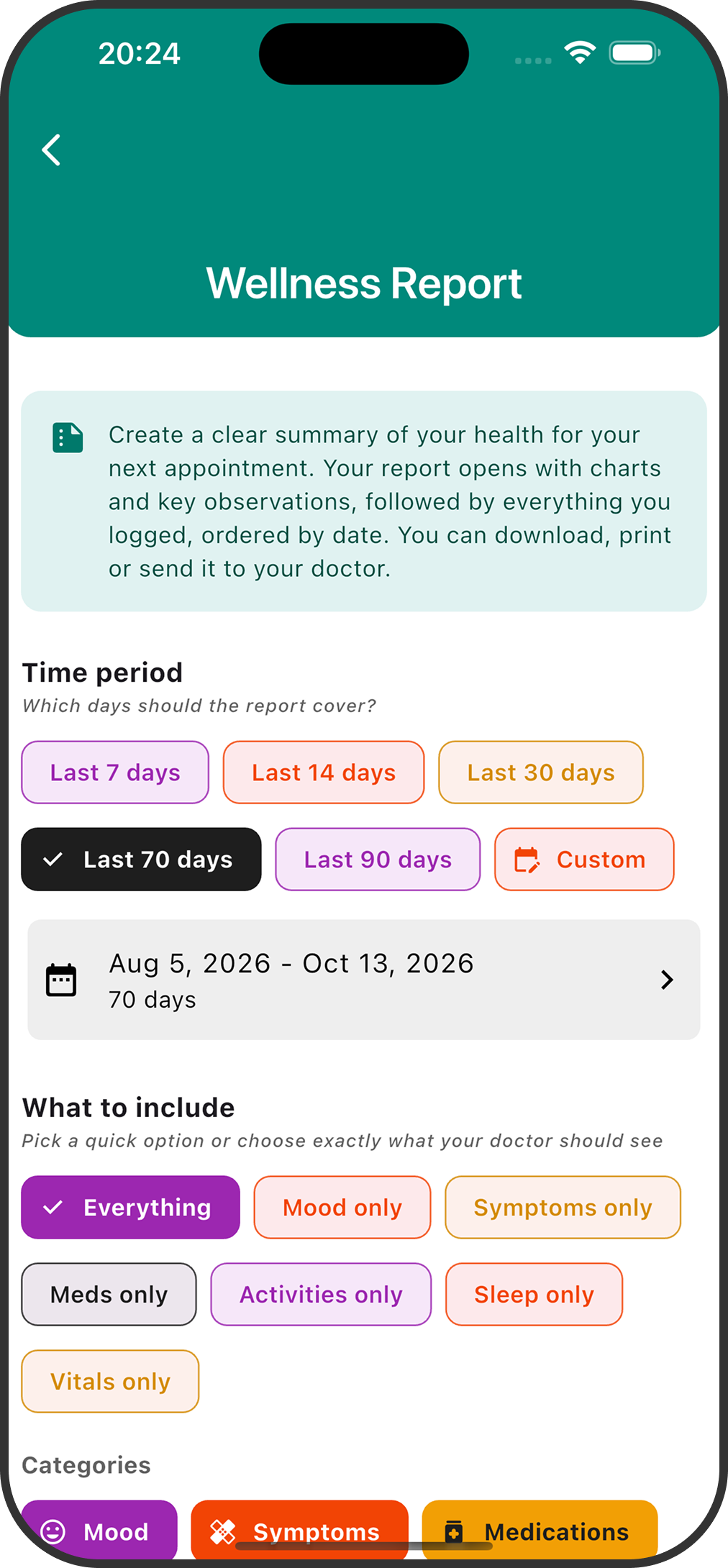
If your symptoms are worse than usual and not settling, or you are not sure what is happening, contact your care team. A clear summary of your recent logs, with dates, can help you describe what has changed.
Sources and further reading
The general health information on this page is based on the sources below. It is not medical advice, and Heylixir cannot diagnose or treat any condition. Ask a healthcare professional about your own situation.
Sources checked November 2026.

Log early signs by voice
Early warning signs are easy to forget. Say how you feel in Heylixir and your voice note logs them, so you can look back before your next flare.
“Feeling off since last night, achy, slept badly, a bit short tempered, took my meds on time.”
Mood: irritable, low
Symptoms: aching, fatigue
Medication: taken, noted with the time
Journal: your words, saved as today's entry
See how voice tracking works →
Ready to spot your own flare signs?
Try Heylixir and start logging symptoms, sleep and mood in seconds, so your early warning signs become easier to see.