What to do during a flare-up: a simple, gentle plan
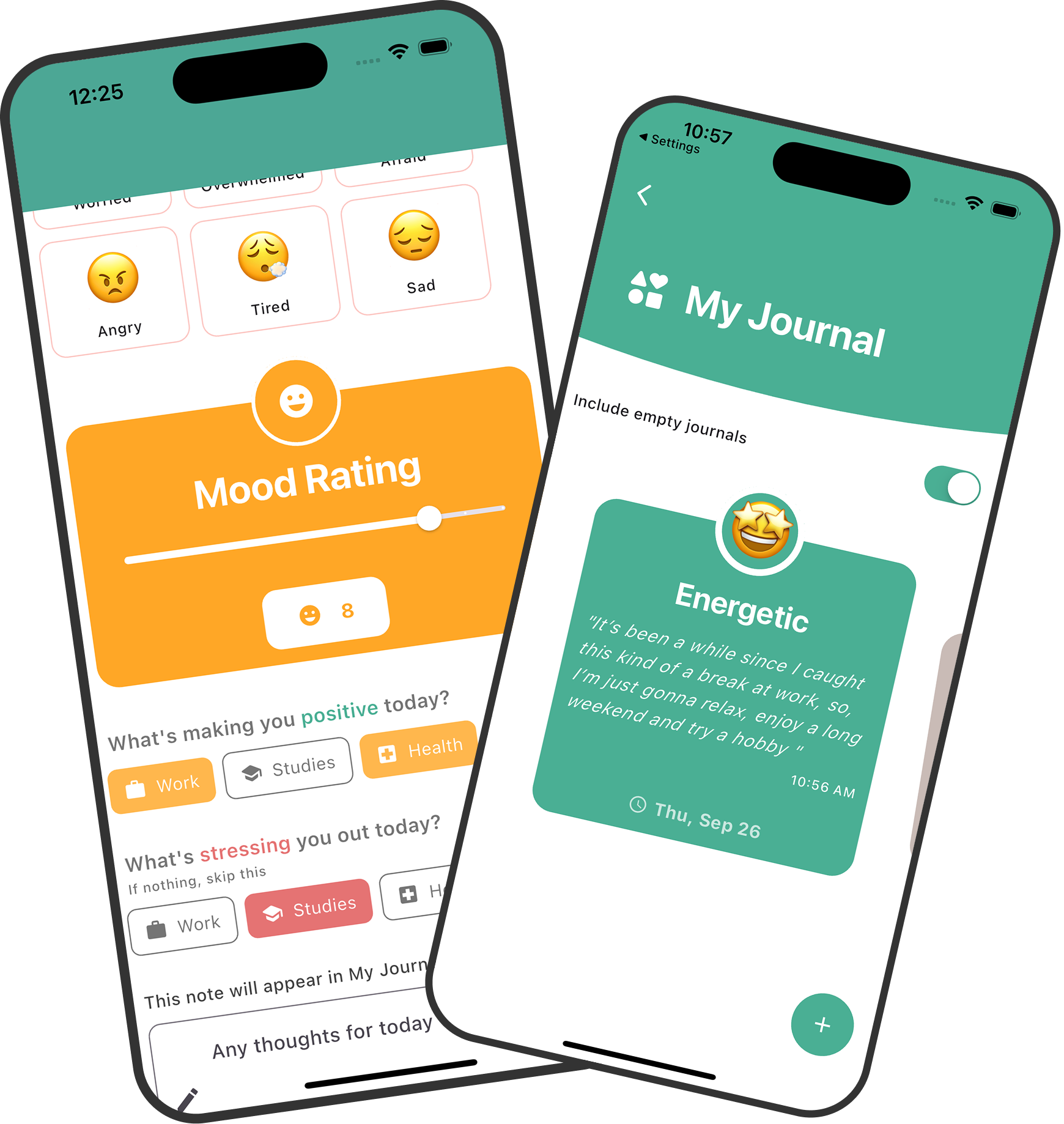
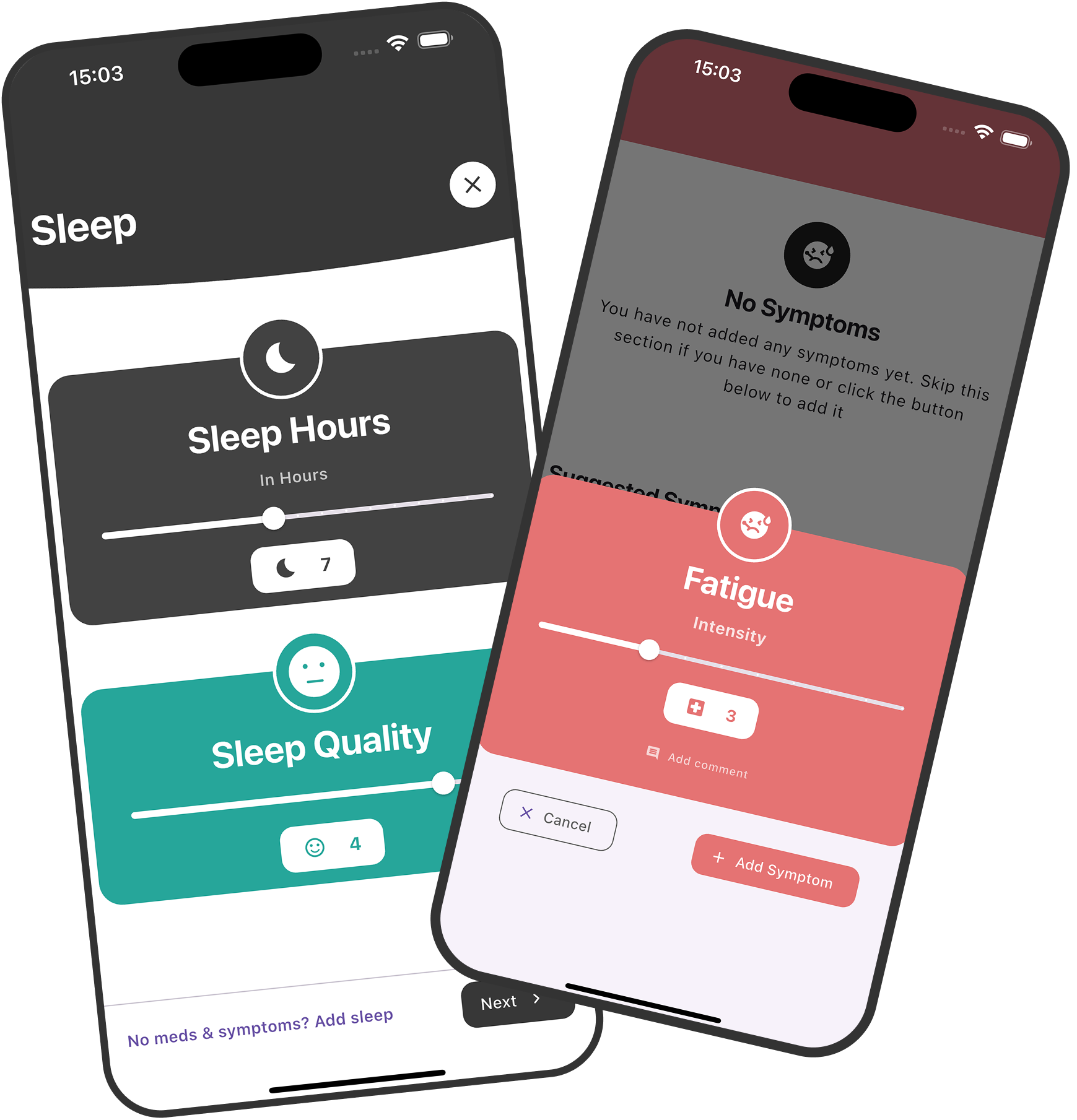
When a flare hits, the goal is usually to get through it with less strain and a clear record, not to push on. Heylixir is a symptom tracker app that helps you keep a record of a flare, with your symptoms, meds, sleep and mood, in seconds, by voice or tap. Always follow your own care team's advice first.
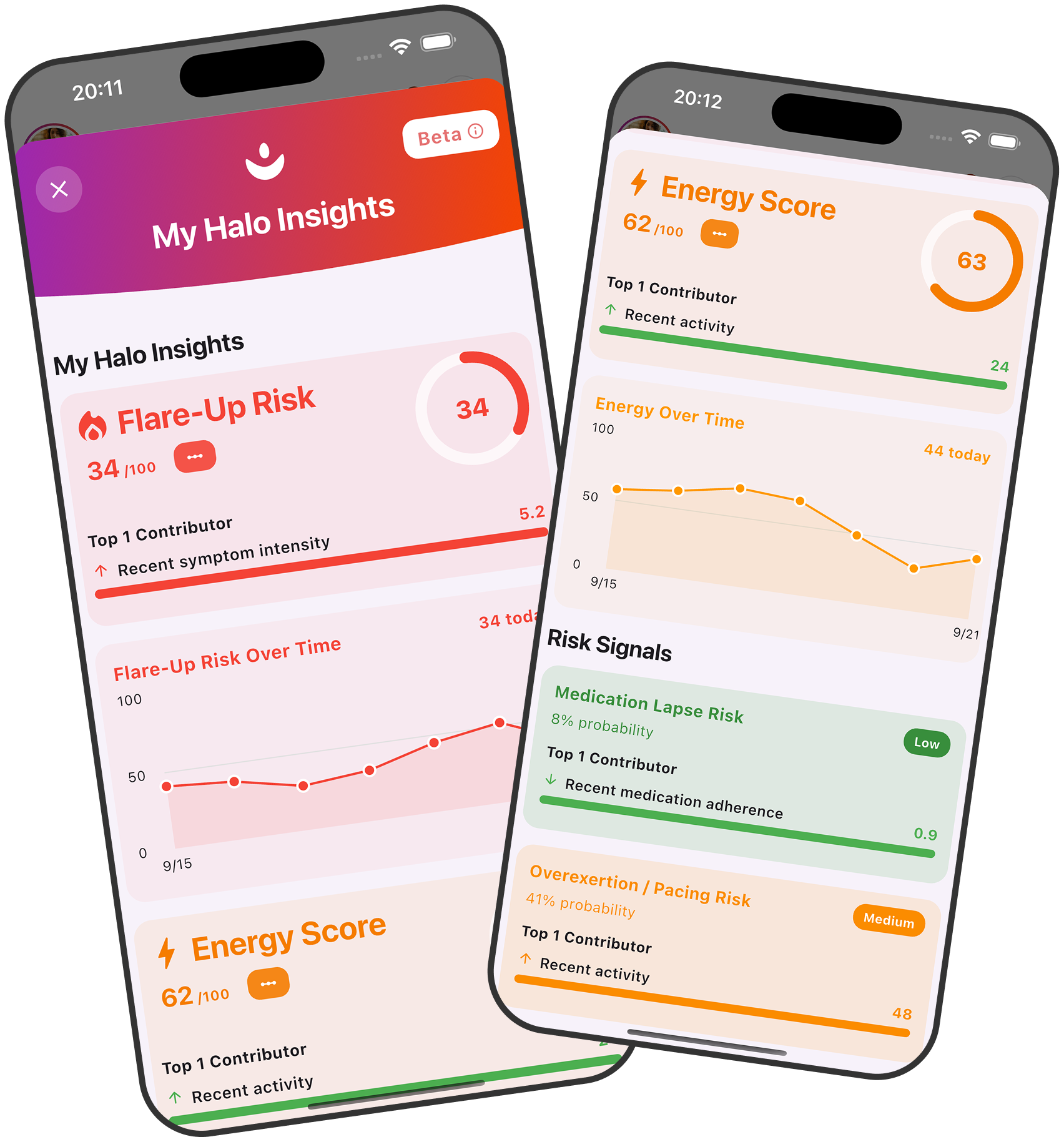
Getting through a flare-up works best alongside voice symptom tracking, where you say how you feel instead of typing. A simple routine helps too: see how to track symptoms and medications. AI wellness insights then point out patterns over time, and a doctor summary makes appointments easier. For the bigger picture, see our chronic illness flare management guide.
Start with your care plan
If your doctor has given you a plan for flares, such as which medication to take or who to call, follow it first. If you do not have one yet, a flare is a good reason to ask for one when you feel up to it.
Many people write a short flare plan while they are well: what helps, what to avoid, who to tell, easy meals and comfort items. On a hard day you do not have to think, you just open the list.
Follow the advice from your care team
Keep a short written flare plan
Tell someone you trust
Lower the load, rest and pace
Cut back to what really needs doing, ask for help with the rest and give yourself permission to rest. Pacing, which means balancing activity with rest so you do not push into a worse crash, is something many people lean on during a flare.
Spoon theory is a simple way to budget a day when your energy is low. See our guide to [what is spoon theory](/what-is-spoon-theory/) and the [spoon theory planner](/spoon-theory-planner/) for an example day.
Rest without guilt
Do the essentials, drop the rest
Plan the day by spoons

Keep a record without extra effort
A flare is easy to forget in detail once it passes, and hard to describe to your doctor. A short note each day, such as how bad your symptoms are, how you slept, what you took and what you think set it off, is enough.
In Heylixir you can log by voice from bed. It turns what you say into mood, symptom, medication and journal entries. Accuracy may vary by language, accent and audio quality, so check your entry before saving.
Log by voice from bed
Note meds and the time you took them
Add one line about what you think set it off
Know when to call for help
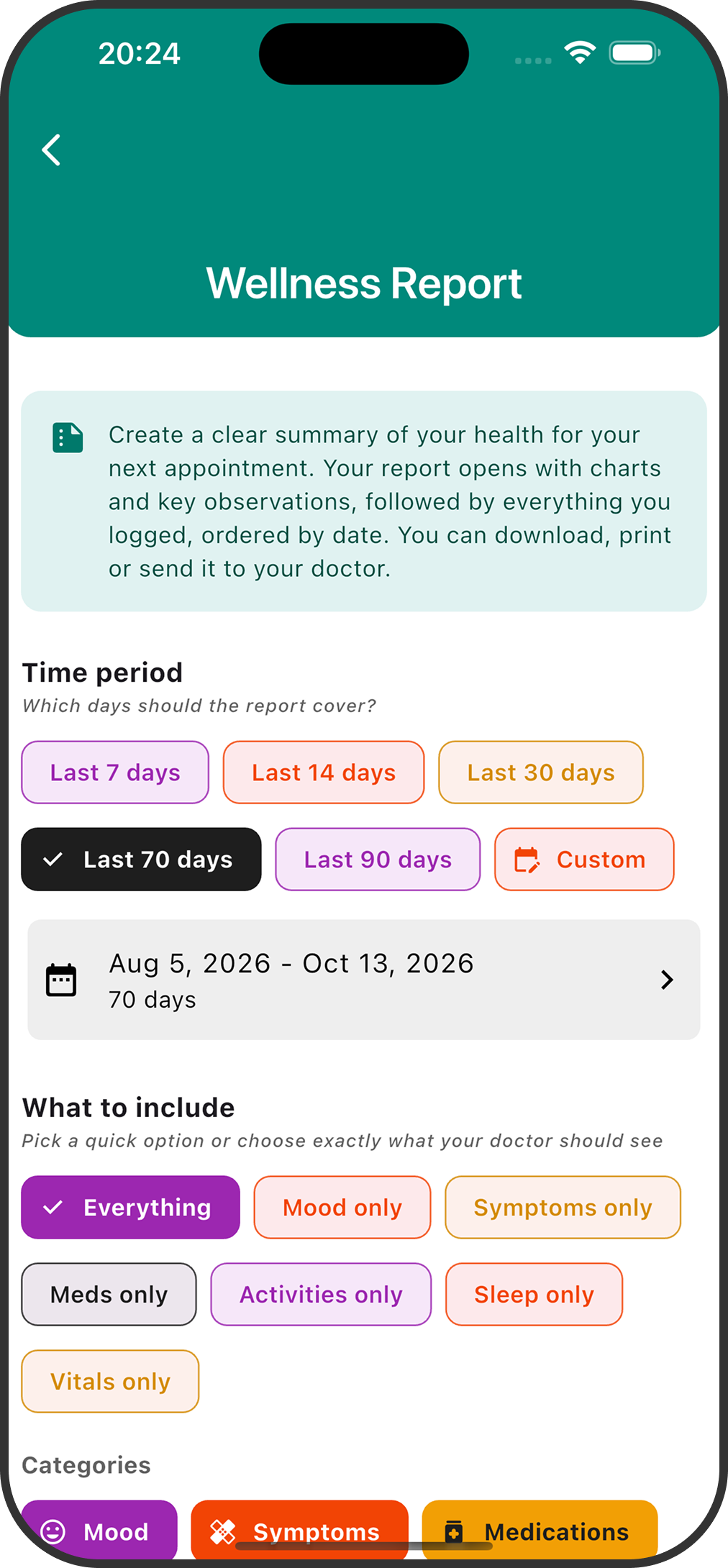
If you have sudden or severe symptoms, such as chest pain, trouble breathing, a high fever or new weakness or numbness, or if you feel unsafe, contact your local emergency services. If the flare is lasting longer than usual or is not responding to your plan, contact your care team.
A summary of your recent logs helps you tell them what changed and when. Heylixir is not a medical service and cannot give medical advice.
Sources and further reading
The general health information on this page is based on the sources below. It is not medical advice, and Heylixir cannot diagnose or treat any condition. Ask a healthcare professional about your own situation.
- NIAMS (NIH): Rheumatoid Arthritis
- NIAMS (NIH): Lupus
- CDC: Managing ME/CFS (avoiding push-and-crash cycles)
Sources checked November 2026.

Log a flare from bed
You do not have to type through a flare. Say how you feel in Heylixir and your voice note keeps the days on record.
“Day three of a flare, aching all over, barely slept, took my meds, cancelled plans, resting today.”
Mood: low, exhausted
Symptoms: aching, fatigue
Medication: taken, noted with the time
Journal: your words, saved as today's entry
See how voice tracking works →
Ready to get through your next flare?
Try Heylixir and start keeping a simple record of your flares, so it is easier to explain what happened and see what helps.