Start My Free Trial

Use your voice to track your chronic illness for free now

Heylixir

Track with voice

Track symptoms

Track mood

Journal

Insights & patterns

Enterprise

▾
Heylixir EnterpriseFor universities and employersAuroraFor health plans, clinics and researchCompassFor healthcare leadersMental health partnershipsChronic illness partnerships
Challenges living with stress, depression, chronic condition, 9 to 5, studying

How often should you track your symptoms? A short daily check-in is a good start

There is no single right answer, but for most chronic illnesses a short daily check-in works well, with a bit more detail during flares or after a medication change. Heylixir is a symptom tracker app that keeps each check-in to seconds, by voice or tap, so tracking stays easy enough to keep up.

A daily check-in works best alongside voice symptom tracking, where you say how you feel instead of typing. A simple routine helps too: see how to track symptoms and medications. AI wellness insights then point out patterns over time, and a doctor summary makes appointments easier. For the bigger picture, see our chronic illness flare management guide.

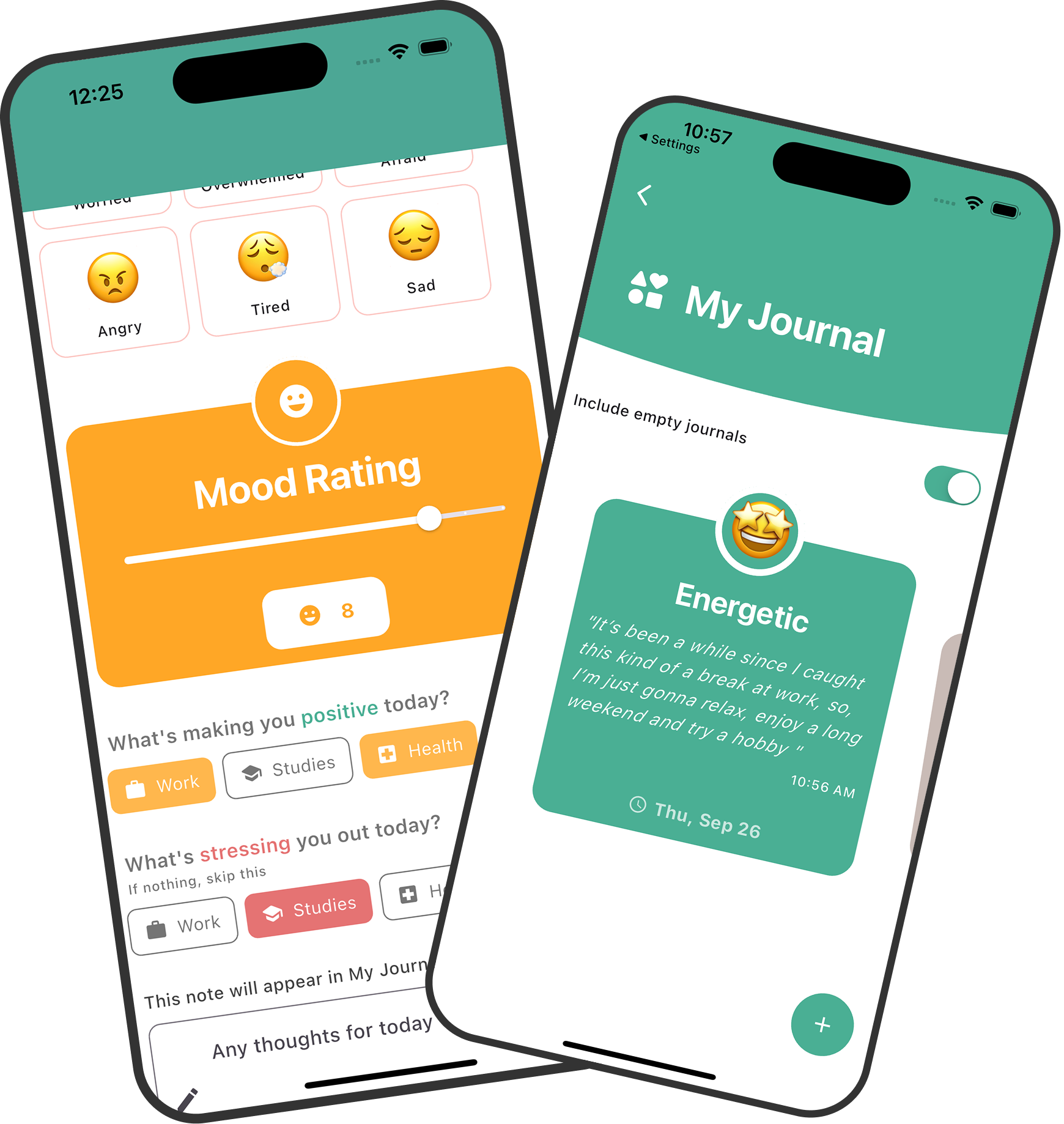
Heylixir journal screen with a short daily symptom check-in

A daily check-in is a good default

Symptoms that change from day to day are easiest to understand when you log them regularly. A short daily check-in, at about the same time each day, gives you enough data to see patterns without turning tracking into a second job.

If daily feels like too much, a few times a week still helps. A thin log you keep up beats a detailed one you give up on. Ask your care team if they want a particular schedule for you.

One short check-in a day

30 to 60 seconds is enough

Same time each day, such as before bed
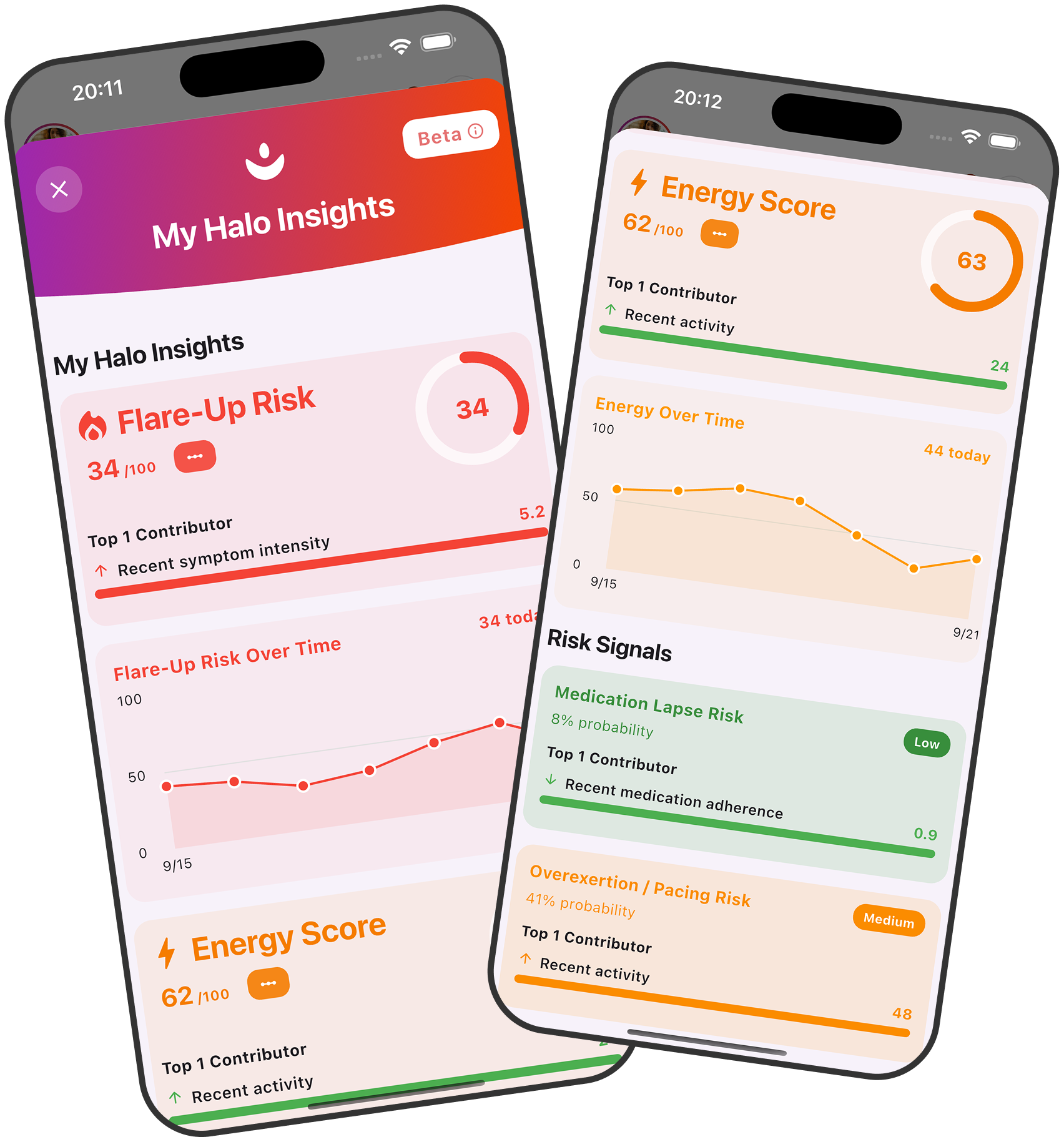
Heylixir insights screen showing patterns from regular symptom tracking

Track more during flares and changes

Some times call for more detail: during a flare, when you start or change a medication, after a procedure or when something new shows up. Logging more often then gives you and your doctor a clearer picture of what changed and when.

When things settle, go back to your short daily routine. See [signs of a flare-up](/signs-of-a-chronic-illness-flare-up/) and [what to do during a flare-up](/what-to-do-during-a-flare-up/).

During a flare, log once or twice a day

After a medication change, note doses and effects

When something new appears, note when it started

Heylixir voice tracking screen for a quick daily check-in

Make it small enough to keep up

The hardest part of tracking is keeping going on hard days. Voice makes it easy: say how you feel and Heylixir logs your mood, symptoms, meds and journal for you. Reminders help you keep the habit without having to remember.

Accuracy of voice logging may vary by language, accent and audio quality, so give your entry a quick look before saving. Missing a day is fine, just pick it up again.

Log by voice in seconds

Gentle reminders for check-ins

A missed day is fine

Sources and further reading

The general health information on this page is based on the sources below. It is not medical advice, and Heylixir cannot diagnose or treat any condition. Ask a healthcare professional about your own situation.

  • NIA (NIH): Talking With Your Doctor
  • NIH NINDS: Migraine
  • CDC: Managing ME/CFS (avoiding push-and-crash cycles)

Sources checked November 2026.

Heylixir logo

Check in in seconds

A daily check-in only works if it is quick. Say how you feel in Heylixir and your voice note does the logging.

“Tired today, joints a bit stiff, slept okay, took my meds at eight, mood is fine.”

Mood: okay, tired

Symptoms: stiffness, fatigue

Medication: taken, noted with the time

Journal: your words, saved as today's entry

See how voice tracking works →

Keep exploring

How to track symptoms & medications →A simple guide to keeping a clear record.The benefits of tracking →Why tracking a chronic illness helps.Voice symptom tracking →Say how you feel and Heylixir logs it for you.Wellness reminders →Gentle reminders for meds and check-ins.Symptom diary template →A printable symptom diary.Signs of a flare-up →How to know you are having one.Symptom tracker app →The Heylixir symptom tracker app.Doctor summary →Share a clear summary of how you have been doing.

New to tracking? Read how to track symptoms and medications, voice symptom tracking, AI wellness insights and how to track your mood and journal.

Start here

Symptom tracker app for chronic illnessTrack symptoms and mood by voiceBest chronic illness tracking apps compared

More on flares

Chronic illness flare management guideFlare-up patterns & insightsSigns of a flare-upWhat to do during a flare-upFlare-up trigger trackingSymptom & medication tracking

Ready to build a tracking habit that sticks?

Try Heylixir and start with one short check-in a day, by voice or tap.

Think this could help a friend?

FAQ: how often to track symptoms

For most chronic illnesses a short daily check-in works well, with more detail during flares or medication changes. If daily is too much, a few times a week still helps. Ask your care team if they want a specific schedule.
It depends on how often your symptoms change. Many people start to notice patterns after a few weeks of regular logging. Longer logs show more, and patterns are a starting point, not a diagnosis.
Your main symptoms and how bad they are, sleep, energy, mood, medication and anything unusual. See how to track symptoms and medications for a simple routine.
Many people find it helps them describe how they have been doing, notice triggers and have clearer conversations with their doctor. See the benefits of tracking a chronic illness.
That is fine. A gap does not ruin your log. Pick it up again, or add a short note for the missed days if you remember them.
Yes. Heylixir lets you say how you feel and turns it into mood, symptom, medication and journal entries. Accuracy may vary by language, accent and audio quality. See voice symptom tracking.
No. Some people track for a few weeks to understand a pattern, others keep it up long term. It is your choice, and you can scale it up or down.
Yes. In Heylixir you just say how you feel and Heylixir logs your mood, symptoms, meds and journal for you. Read more about voice symptom tracking.
Yes. Tracking with Heylixir is meant to be easy, fast and painless, even on hard days. You can lie back, say a few words, give your entry a quick look and save it, with no forms to fill in.
Voice tracking supports around 100 languages. Accuracy may vary by language, accent and how clear your audio is, so give your entry a quick look before you save it. See the full list on our voice tracking page.
Yes. Voice tracking works offline, so you can log when you have no signal and your entry is there when you are back online.

Heylixir for..

For Endometriosis
For POTS (Postural orthostatic tachycardia syndrome)
For Diabetes
Long COVID tracking & support
Fibromyalgia tracking & support
PCOS Symptom Tracking & Support
Mood & Journal Tracking
Symptoms & Medications
Stress, anxiety & depression
Mental health support & tracking
How to Track Mood & Journal
How to Track Symptoms & Medications
Flare-Up Management with Heylixir
Chronic illness flare ups
Chronic illness support community
How to use journaling prompts
AI Wellness Insights
Wellness Reminders
Christmas Offer
Voice Symptom Tracking
Spoon Theory Energy Tracking
Doctor Summary
Best Chronic Illness Apps
Heylixir vs Bearable
Heylixir vs Visible
Heylixir vs Guava
Bearable Alternatives
Visible Alternatives
Guava Alternatives
Heylixir vs CareClinic
Heylixir vs Flaredown
Heylixir vs Daylio
CareClinic Alternatives
Flaredown Alternatives
Daylio Alternatives
Brain Fog Tracker
Migraine Tracking App
Dizziness & Heart Rate Tracking
Flare-Up Trigger Tracking
Symptom Tracker App
Free Chronic Illness Tracker Apps
What Is Spoon Theory?
Spoon Theory Planner
Best App for POTS
Best App for Fibromyalgia
Best App for Lupus
Best App for ME/CFS
Best App for Long COVID
Best App for Endometriosis
Best App for Migraine
Signs of a Chronic Illness Flare-Up
What to Do During a Flare-Up
How Often to Track Symptoms
What Is Pacing?
Autoimmune Symptom Tracker App
Post-Exertional Malaise (PEM) Tracking
ME/CFS Symptom Tracker App
Lupus Symptom Tracker App
Ehlers-Danlos Symptom Tracker App
IBS & Crohn's Symptom Tracker App
MS Symptom Tracker App
Rheumatoid Arthritis Symptom Tracker App
Symptom Diary Template
Doctor Appointment Checklist
Living With Chronic Illness as a Student
Living With Chronic Illness at University
Living With Chronic Illness and Working 9 to 5

Products & Partners

Heylixir Enterprise
Aurora
Compass
Mental health partnerships
Chronic illness management partnerships

Important Links

Home
About
FAQ
News
Blog
FAQ
Terms and Conditions
Privacy Policy
Community Guidelines
2026 All Rights Reserved. Aurora Vicci LLC.

Better Mood

Better Health

More Productivity

Better Sleep

Better Focus

Better Mood

Better Health

More Productivity

Better Sleep

Better Focus