What is pacing for chronic illness?
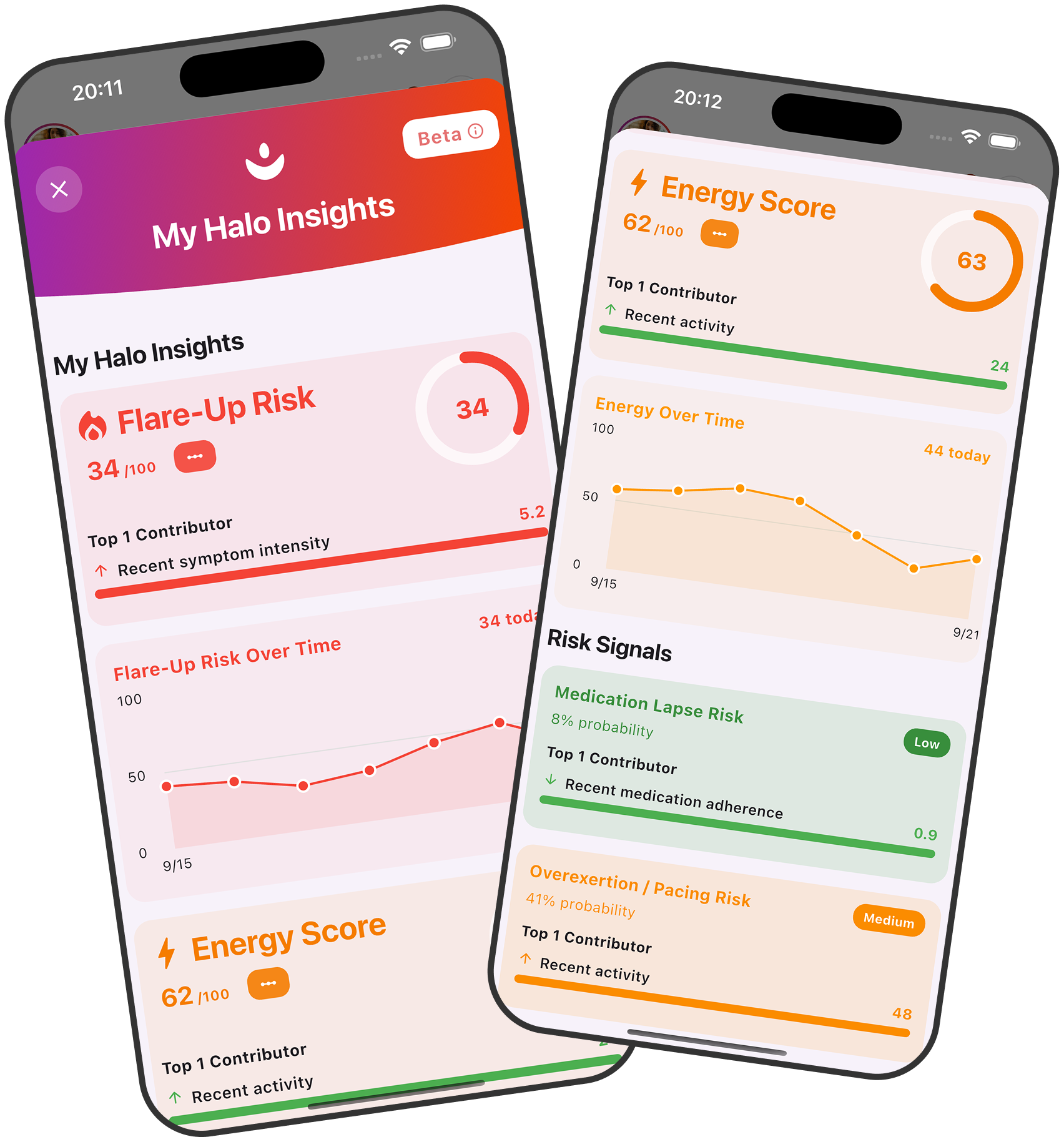
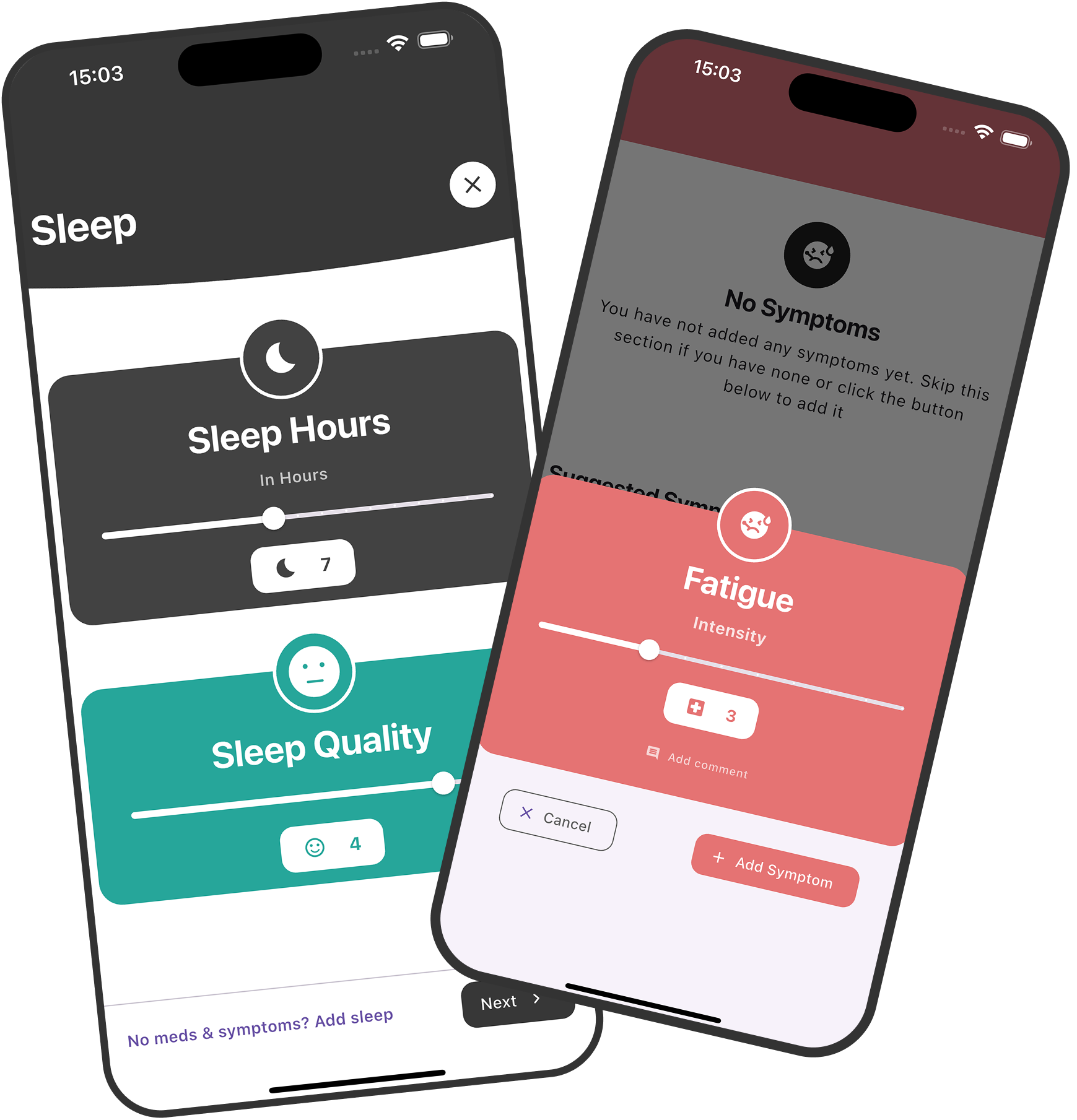
Pacing means balancing activity and rest so you do not push into a worse crash. It is a way of working within your energy rather than against it. Heylixir is a symptom tracker app that helps you find your limits by logging activity, energy and symptoms side by side, by voice or tap.
Pacing works best alongside voice symptom tracking, where you say how you feel instead of typing. A simple routine helps too: see how to track symptoms and medications. AI wellness insights then point out patterns over time, and a doctor summary makes appointments easier. For the bigger picture, see our pain & fatigue tracking guide.
Pacing, in plain words
Pacing is planning your activity, including physical, mental and emotional effort, around the energy you actually have. The aim is to avoid the push-and-crash cycle: doing too much on a good day, then paying for it for days afterwards.
It is not the same as graded exercise, which pushes you to do a little more each time. What is right for you depends on your condition, so talk to your care team before changing how you manage your activity.
Work within your energy
Plan rest before you need it
Spread effort across the day and week
Ways people pace themselves
Common methods include breaking tasks into smaller steps with rests in between, setting activity limits, planning your day with spoon theory, and, for some people, keeping an eye on heart rate. Find the one that fits your condition and your life.
See our guide to [what is spoon theory](/what-is-spoon-theory/) and the [spoon theory planner](/spoon-theory-planner/) for a simple way to budget a day.
Break tasks into steps with rests
Plan the day by spoons
Some people also watch heart rate
Find your limits by tracking
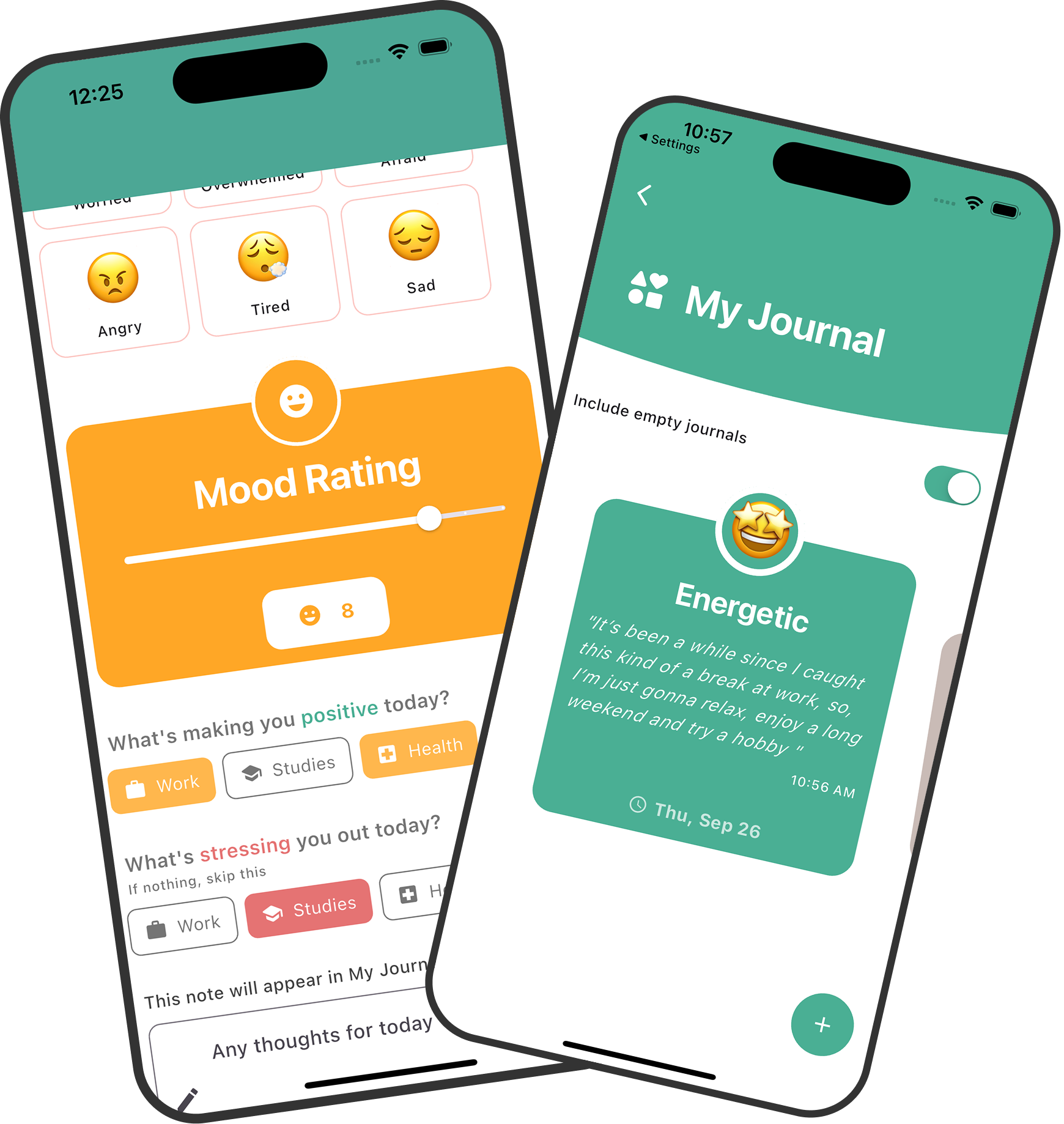
Your limit is often not obvious in the moment, especially when the payback comes a day or two later. Logging what you did, how much energy you had and how you felt the next day helps you see the link.
Halo AI points out patterns in your own logs in plain language. They are patterns, not a diagnosis or medical advice, and a useful thing to talk through with your care team.
Note what you did each day
Look for delayed payback in your logs
Log by voice in seconds
Sources and further reading
The general health information on this page is based on the sources below. It is not medical advice, and Heylixir cannot diagnose or treat any condition. Ask a healthcare professional about your own situation.
Sources checked November 2026.

Log your day by voice
Pacing works best when you remember what you did. Say how the day went in Heylixir and your voice note logs your energy, symptoms and activity.
“Busy morning, went for a short walk, energy dropped at two, resting now, took my meds.”
Mood: drained, calm
Symptoms: fatigue
Medication: taken, noted with the time
Journal: your words, saved as today's entry
See how voice tracking works →
Ready to find your limits and pace with confidence?
Try Heylixir and start logging activity, energy and symptoms in seconds.